

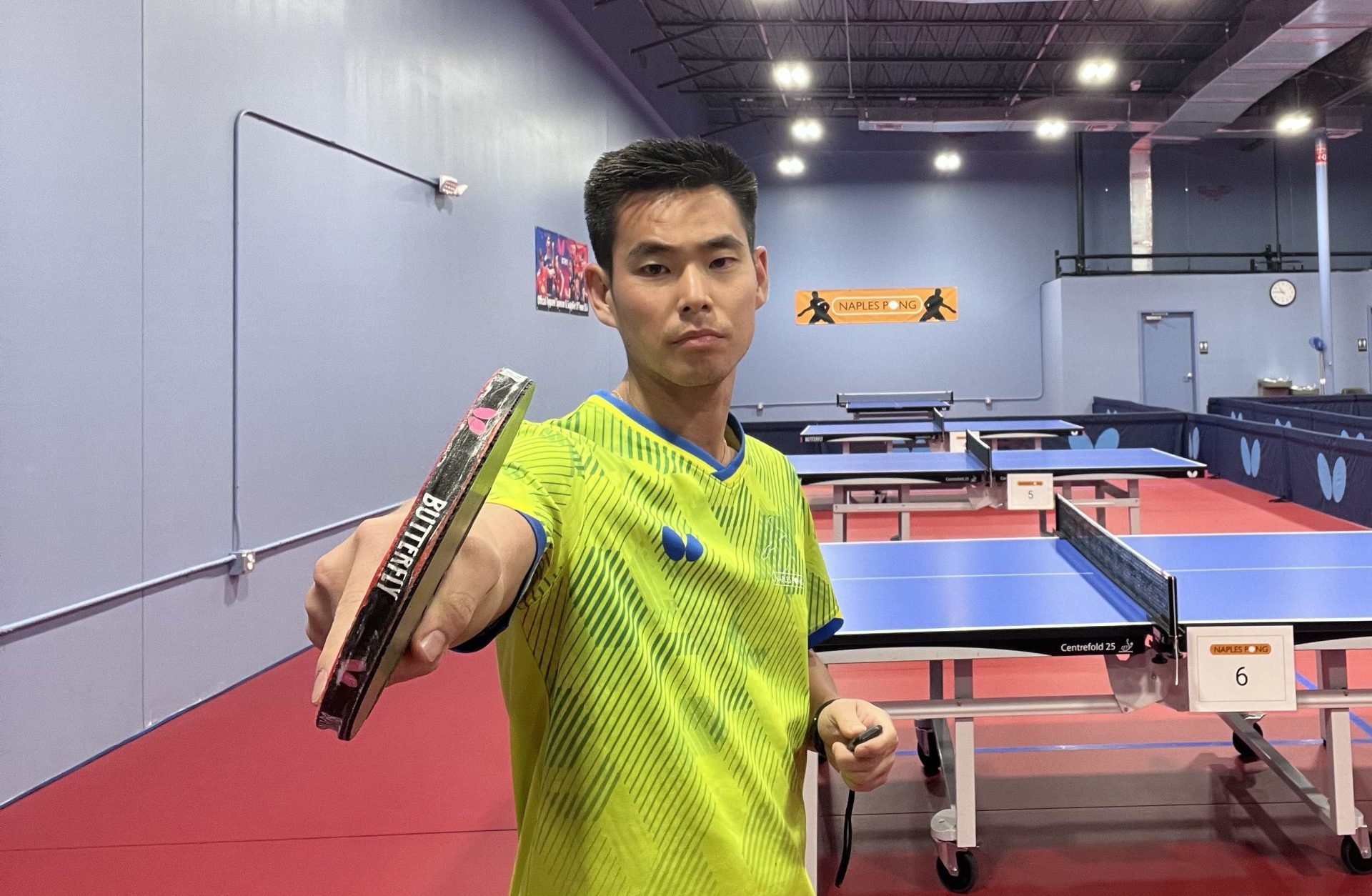
(by Coach Jeff Yamada / Butterfly Americas)
The Power of the Timeout: Lessons From Four Critical Matches
Timeouts in table tennis may last only a few seconds, but their impact can define the outcome of a match. They are not just tactical pauses; they are moments of connection, clarity, and emotional reset. And because table tennis allows only one 60-second timeout for the entire match, the timing becomes even more critical. To use that single opportunity well, coaches must understand their athletes, communicate clearly before the match, and build the trust needed for quick decisions under pressure.
During my first experience coaching the U.S. Paralympic Team in Sao Paulo, I learned how crucial timing, intuition, and communication are when deciding whether to call a timeout. The four matches below taught me some of the most valuable lessons of my coaching career regarding timeouts.
1. When I Should Have Called Timeout
A Set Point That Slipped Away
My athlete led 1-0 and had a set point at 11-10 in the second. He was rushing, trying to close the set against a higher-ranked opponent he had never beaten. I felt strongly that I should call a timeout to calm him and reinforce the strategy. I hesitated.
He lost the set 11-13 and eventually the match 3-2.
Closing that second set could have changed everything.
2. Leading 10-8 With a Winning Strategy
In another match, another student was down 0-2, won the third, and led 10-8 in the fourth using a tactic that was winning 70-80% of points. After losing one point, he changed the strategy even though he shouldn’t. That was the moment to call timeout and reinforce the strategy with him. I didn’t.
We lost the set and the match.
This taught me that even when things are going well, athletes sometimes need reassurance to stay committed to the plan.
When Trusting My Gut Made the Difference
3. Resetting a Stronger Player Who Lost Focus
In one match, my athlete was technically stronger but taking unnecessary risks early. I advised him to start safer and open up after building a lead. He didn’t listen, and the match went to 2-2. In the fifth, after he fell behind 4-1, I called a timeout.
He reset, regained control, and won 11-6.
The timeout broke the opponent’s momentum and allowed him to breathe, refocus, and return to the fundamentals.
4. A Quarterfinal That Guaranteed a Medal
This match was the quarterfinal, and winning it would guarantee a medal and a spot in the semifinal. Our pair started strong, taking a 2-0 lead and going up 7-5 in the third. But the opponents—technically stronger on average—fought back and turned it to 8-7. I sensed our players were rushing, trying to close the match too quickly.
Timeout.
They returned calmer, regained control, and won the set 11-8, securing the semifinal spot and guaranteeing a medal. They went on to win the semifinal as well.
This timeout wasn’t just tactical—it was emotional stabilization at a critical moment.
What Coaches Must Take Away
These four matches taught me that timeouts are far more than a tactical tool; they are a shared moment of alignment between coach and athlete. But to use them effectively, coaches must build communication before the match even begins.
Ask your athlete what type of support they prefer. Ask whether they want you to take the initiative on timeouts or if they prefer to signal you. If you don’t know the athlete well, ask. Clear communication builds trust, and trust makes the timeout meaningful.
It’s equally important to respect athlete autonomy. If they don’t feel the timeout is right for them, they should feel comfortable declining it. And just as importantly, they should feel empowered to call a timeout themselves when they sense they need it. It could be to break momentum, calm their nerves, or reset their strategy. Coaching is a partnership, not a one-way street.
Ultimately, the best timeout is the one taken with intention. When the coach understands the athlete, when both are aligned on communication, and when intuition is trusted, a single timeout can completely shift the direction of a match.
My hope is that these experiences help other coaches sharpen their awareness, trust their instincts, and build stronger connections with the athletes they support.
Key Takeaways for Coaches
- You only get one timeout, so treat it as a strategic weapon.
- Use it intentionally, not reactively.
- Communicate before the match.
- Ask your athlete how they prefer to be coached, what tone helps them, and whether they want you to take the initiative on timeouts.
- If you don’t know the athlete well, ask.
- Never assume their preferences under pressure.
- Athlete autonomy matters.
- They should feel free to decline a timeout if it doesn’t feel right. Also, empower them to call one themselves when they need it.
- Trust your intuition.
- If your gut tells you to call timeout, do it. Hesitation often costs more than action.
- Use the timeout to reset, not just to talk tactics.
- Sometimes the athlete needs calm, not instructions.
- Reinforce what’s working.
- If a strategy is winning the majority of points, use the timeout to anchor the athlete to that plan.
- Stay emotionally connected to the match.
- Read body language, momentum, and emotional cues—not just the score.



 Stay “In The Loop” with Butterfly professional table tennis equipment, table tennis news, table tennis technology, tournament results, and the next article featuring more equipment insights and professional recommendations. We Are Butterfly players, coaches, clubs and more.


 /* Constant Contact Universal Code */